If you’re searching for the best campgrounds in Southeast Texas, you’re in the right place. Whether you’re a first-timer looking for a beginner-friendly state park or an experienced camper hunting for a remote backcountry adventure, Southeast Texas delivers an incredible variety of camping experiences — and most of them are within a couple of hours of Beaumont and Houston.
From the towering pines of the Big Thicket to the sandy shores of the Gulf Coast, here are the top campgrounds in SETX that belong on every camper’s list.
1. Village Creek State Park — Lumberton, TX
Best for: Families, paddlers, nature lovers
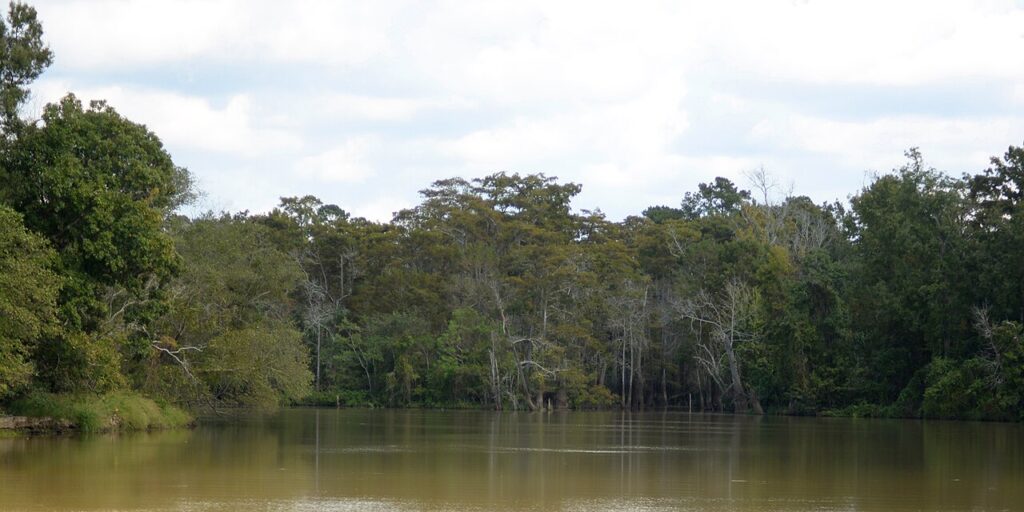
Nestled in the Piney Woods just 10 miles north of Beaumont, Village Creek State Park is one of the crown jewels of Southeast Texas camping. The park sits along Village Creek, one of the few remaining free-flowing creeks in the entire state — a rare and beautiful feature that makes this spot feel truly wild even though it’s close to town.
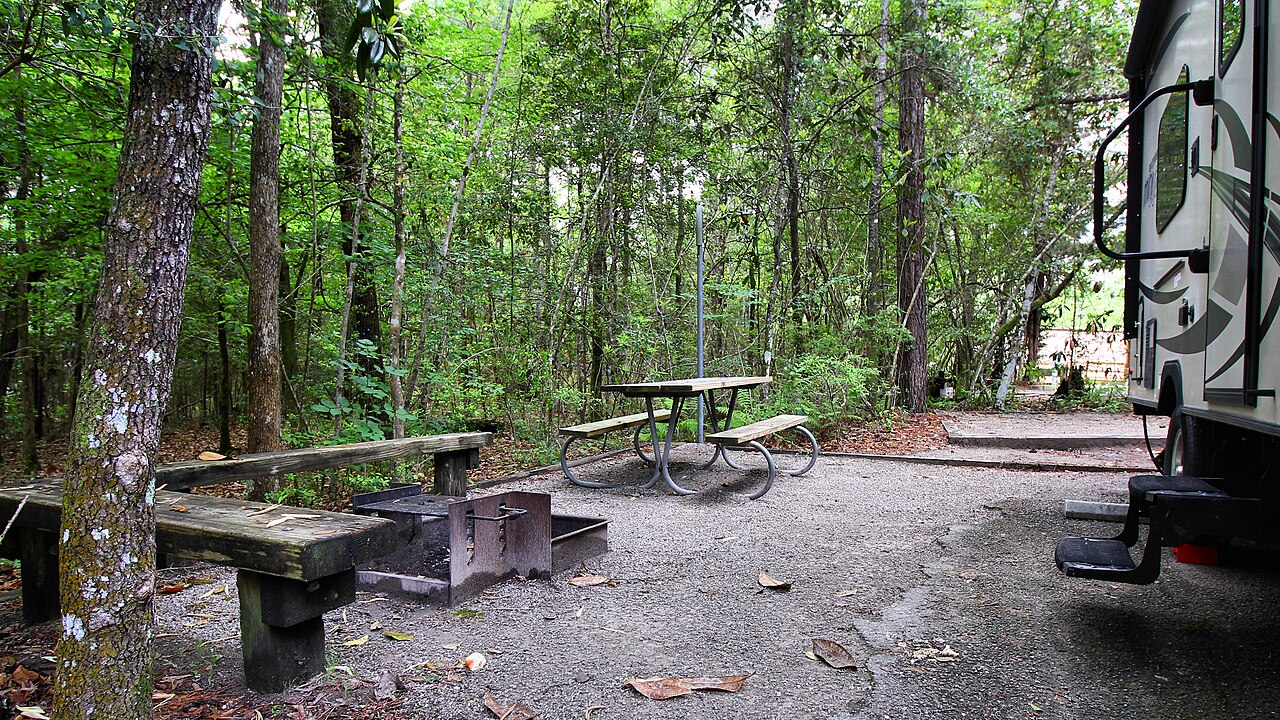
The park spans 2,466 acres of heavily forested land and offers something for every type of camper. You can choose from primitive tent sites, developed electric sites, or even rent an eight-person cabin if you want a roof over your head. Hiking and mountain biking trails wind through the forest, and the Village Creek Paddling Trail is a favorite for kayakers and canoe enthusiasts. The park also runs guided nature hikes, stargazing programs, and campfire talks throughout the year — making it especially great for families with kids.
What to know before you go:
- Day use fee: $4 per person (ages 13+)
- Reserve ahead — the park frequently reaches capacity on weekends
- Alligators live in the area, so follow posted safety guidelines
- Book at ReserveAmerica.com
2. Sea Rim State Park — Sabine Pass, TX
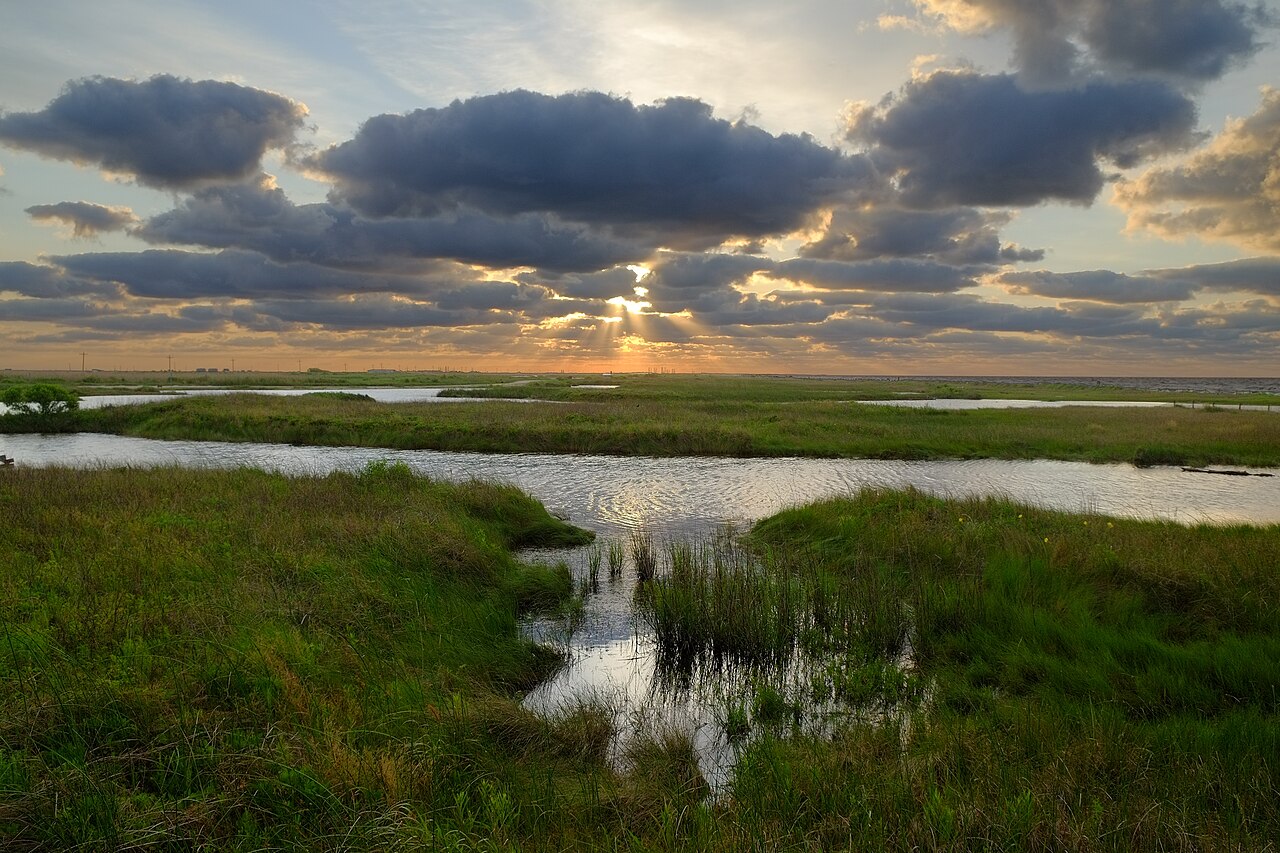
Best for: Beach camping, Gulf Coast views, unique experiences
Sea Rim State Park offers something you won’t find at most Texas campgrounds — the chance to fall asleep with the sound of Gulf waves just steps away. Located along five miles of Gulf Coast beachfront near Sabine Pass, this park is one of Southeast Texas’s most unique camping destinations.
The park has 15 developed campsites with electrical hookups, each equipped with a picnic table, outdoor grill, tent pad, lantern post, and water hookup. There are also 75 primitive first-come, first-serve campsites for those who want a more rugged experience. Horse camping is allowed with your own pens or tether rope, and for the truly adventurous, there’s a single floating, boat-in campsite accessible only by kayak.
The park’s marshlands are world-class for birding — Beaumont sits along two major migratory flyways, and Sea Rim is one of the best spots in the region to spot rare species.
What to know before you go:
- Primitive sites are first-come, first-serve and depend on weather and tides
- Book developed sites at the Texas State Parks website
- Best visited in spring and fall — summers can be hot and humid
3. Bolivar Peninsula — Crystal Beach, TX
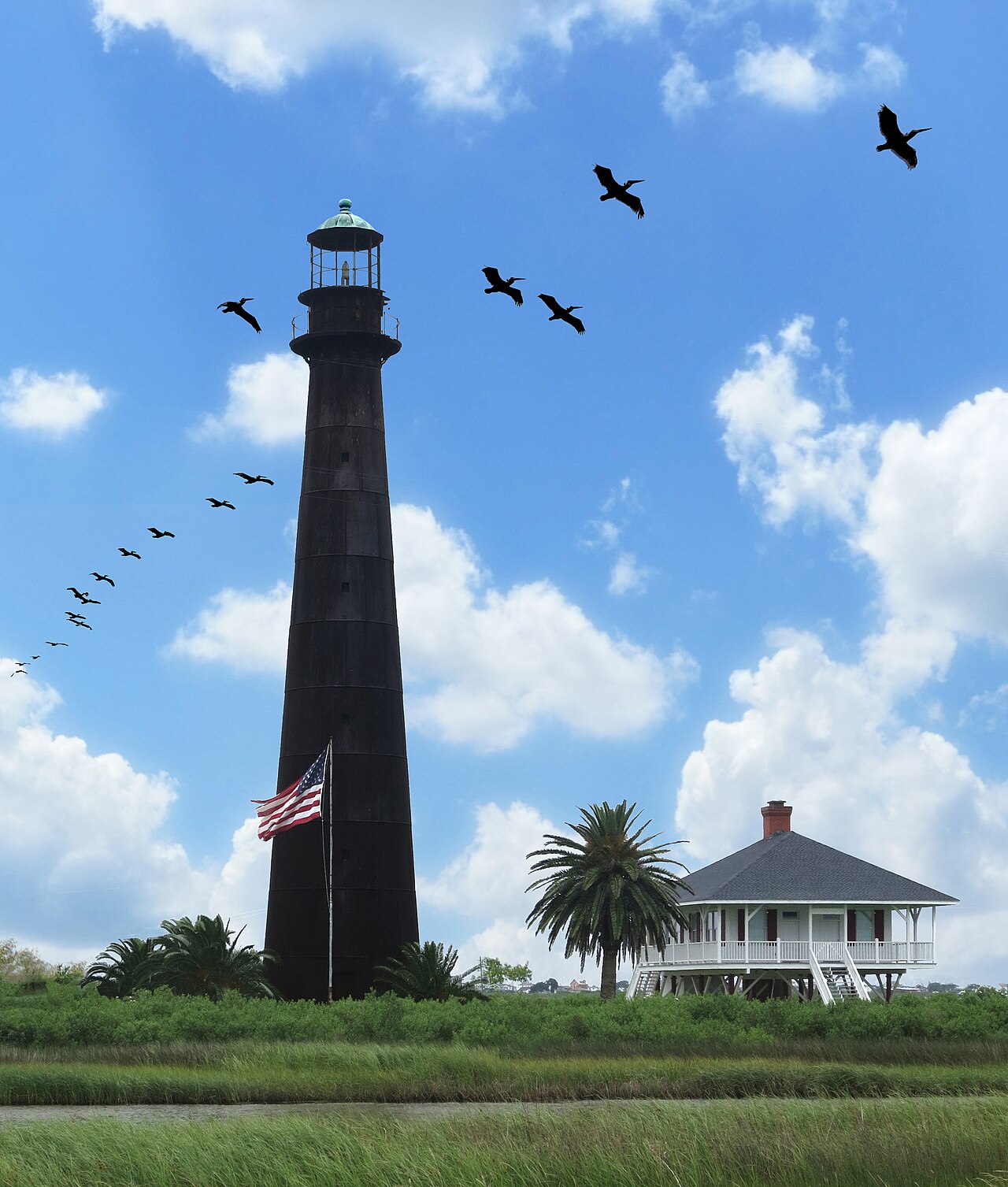
Best for: Free camping, beach lovers, laid-back vibes
If you’re looking for free camping in Southeast Texas, Bolivar Peninsula is a must-know spot. It’s one of the only places in the world where camping is permitted anywhere on a 27-mile stretch of beach, year-round, without a permit or fees.
You choose your own adventure here — set up camp near Crystal Beach for easy access to restaurants and shops, or head further down the peninsula for a more remote, off-the-grid feel. Campfires are allowed, and the fishing and crabbing off the beach are excellent. The Bolivar Beach Pavilion offers rinse-off showers and public restrooms nearby.
This is the kind of camping experience that’s become harder and harder to find — wide open, free, and completely on your own terms.
What to know before you go:
- No reservations needed — just show up and pick your spot
- No hookups available — this is true primitive beach camping
- Ferries run from Galveston to Bolivar Peninsula
- Respect the beach and pack out all trash
4. Sam Rayburn Reservoir — Deep East Texas
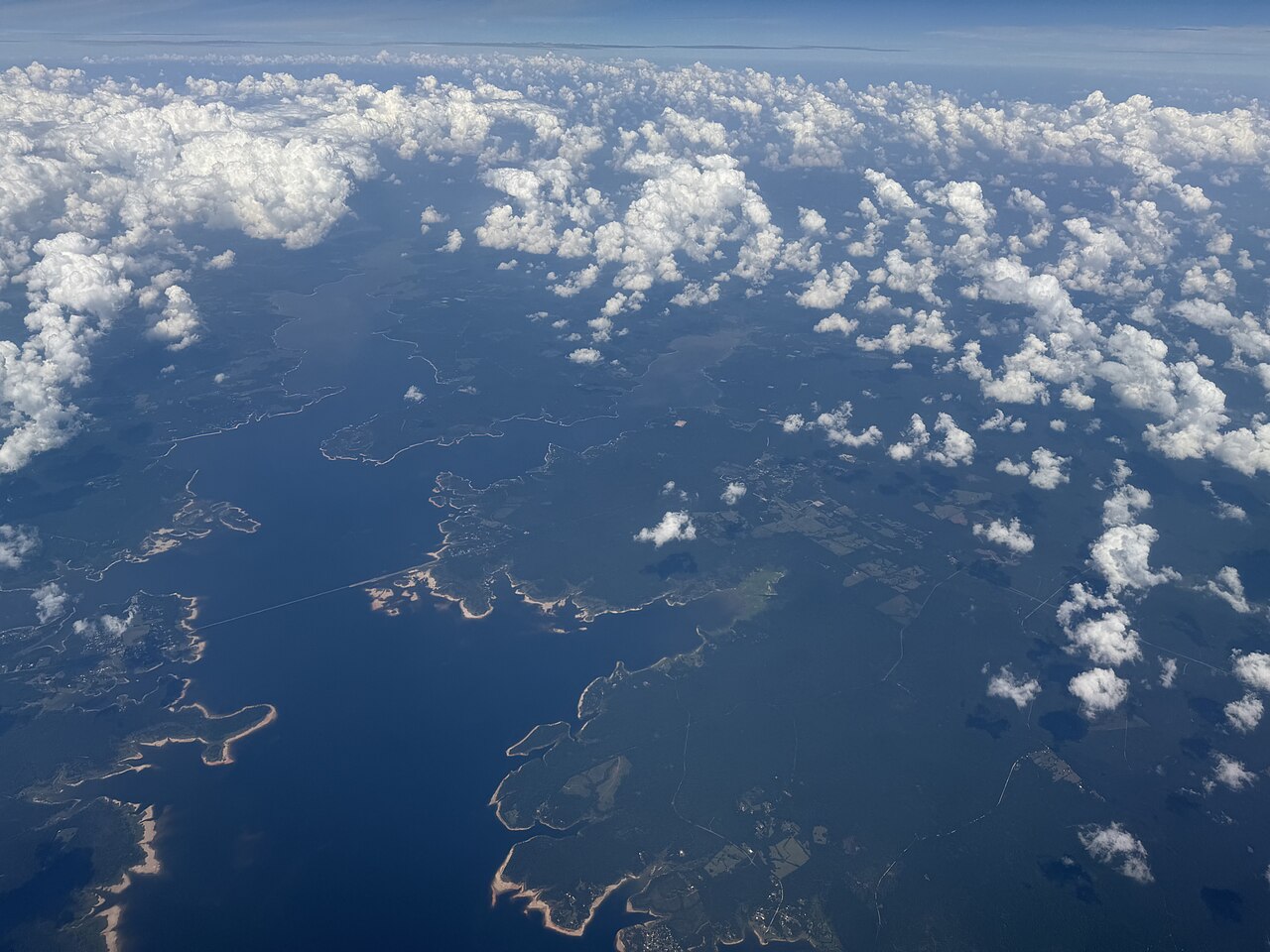
Best for: Fishing, boating, RV camping, families
At 114,000 surface acres, Sam Rayburn Reservoir is the largest man-made lake located entirely within Texas — and it’s a premier camping destination for anglers and water sports lovers. Located about 70 miles north of Beaumont in the Piney Woods, the lake sits within the Angelina and Sabine National Forests and is nationally renowned for its largemouth bass fishing, hosting numerous tournaments each year.
The U.S. Army Corps of Engineers operates several campgrounds around the lake, including Rayburn Park, Mill Creek Park, and Twin Dikes Park. Rayburn Park on the north shore is open year-round and features 16 campsites with water and 50-amp electric hookups, plus 9 non-electric sites, two boat ramps, a swim beach, and a playground. Mill Creek Park near Jasper is another popular choice, set among beautiful East Texas pine forests.
In winter, bald eagles can be spotted soaring over the lake — a truly special sight. The surrounding forest also serves as important habitat for migratory birds passing through to the Gulf Coast.
Camping fees at Sam Rayburn:
- 30-amp sites: $26/night
- 50-amp sites: $28/night
- Non-electric sites: $14/night
- Reserve at Recreation.gov
5. Big Thicket National Preserve — Various Units
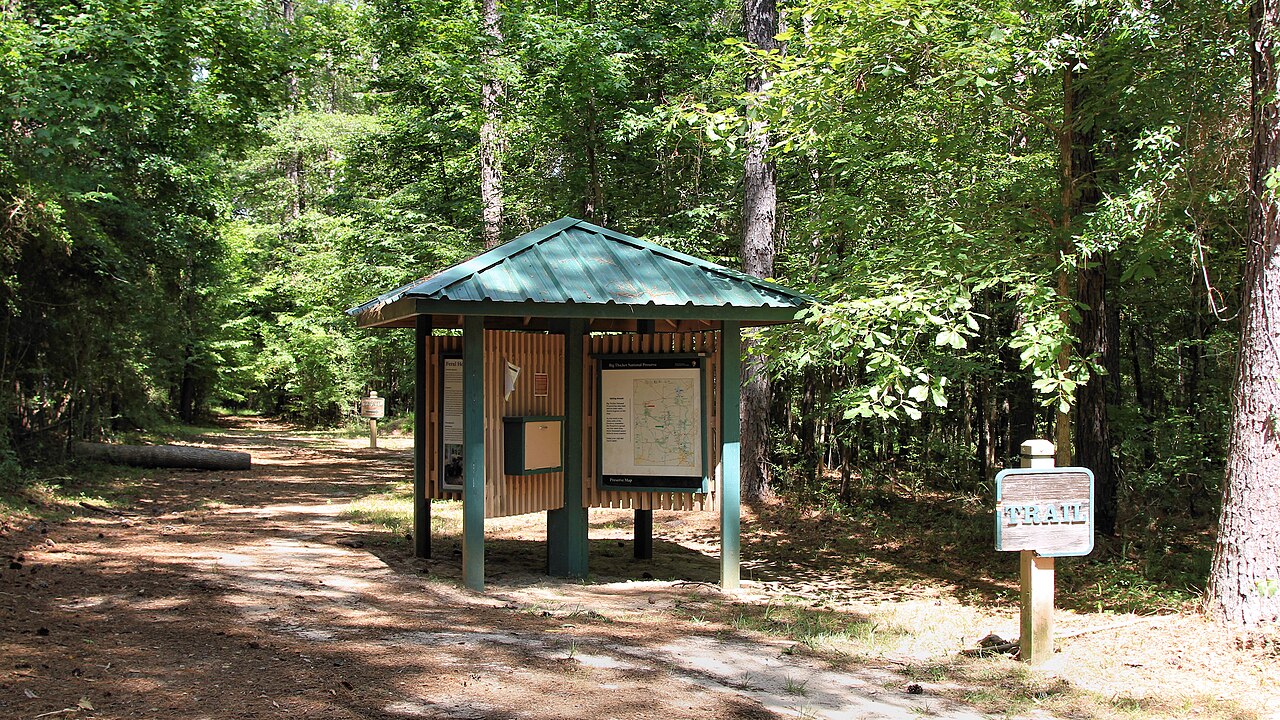
Best for: Backcountry adventurers, paddlers, nature enthusiasts
The Big Thicket National Preserve is unlike anywhere else in North America. Nine distinct ecosystems converge in Southeast Texas, creating an extraordinary mix of plants and wildlife found nowhere else on earth — from carnivorous pitcher plants to orchids to more than 40 miles of hiking and paddling trails.
Camping in the Big Thicket is a genuine backcountry experience. There are no developed campsites with hookups here — instead, camping is permitted year-round in the Turkey Creek Unit, the Canyonlands Unit, along the Woodlands Trail, and on sandbars along Village Creek and the Neches River. All access is by hiking or paddling — no road access to campsites. Groups of up to eight are permitted, and you must pack out everything you bring in.
The Big Thicket has over 20 miles of paddle trails, and overnight kayak and canoe trips are a favorite way to experience the preserve. It’s an ideal destination for experienced campers who want to push deeper into wild Southeast Texas.
What to know before you go:
- No reservations needed — backcountry camping is first-come, first-serve
- Pack in all water, food, and supplies
- Bring a detailed trail map — cell service is limited
- Visit the Big Thicket Visitor Center in Kountze, TX before heading out
6. Lake Livingston State Park — Livingston, TX
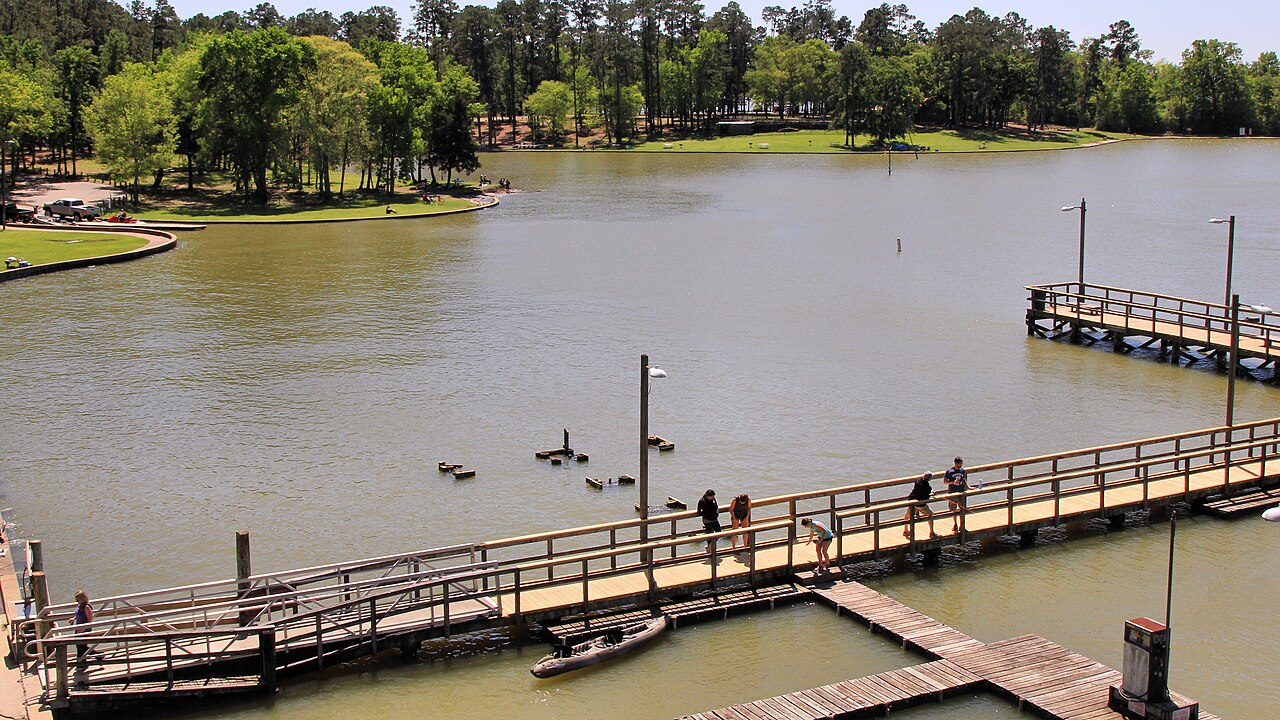
Best for: Lakeside camping, families, RVs, hiking
About an hour north of Houston and within easy reach of Beaumont, Lake Livingston State Park is a popular and well-equipped campground in the southern Piney Woods. The 635-acre park sits along Lake Livingston and offers tent sites, full hook-up RV sites, and ADA-accessible screened shelters.
The park has 21 miles of multi-use trails for hiking and biking along the lakeshore, and the lake itself is excellent for boating, kayaking, and fishing for white bass, catfish, and perch. Kayak rentals are available at the park. Nearby Wolf Creek Park on the other side of the lake is a great backup option when Lake Livingston gets crowded during peak summer weekends.
Lake Livingston is a great option if you want a developed, family-friendly campground that still puts you right in the heart of the East Texas Piney Woods.
What to know before you go:
- Managed by Texas Parks & Wildlife Department
- Reserve at ReserveAmerica.com — fills up fast on summer weekends
- Best weather for camping: March–May and September–November
7. Martin Dies Jr. State Park — Jasper, TX
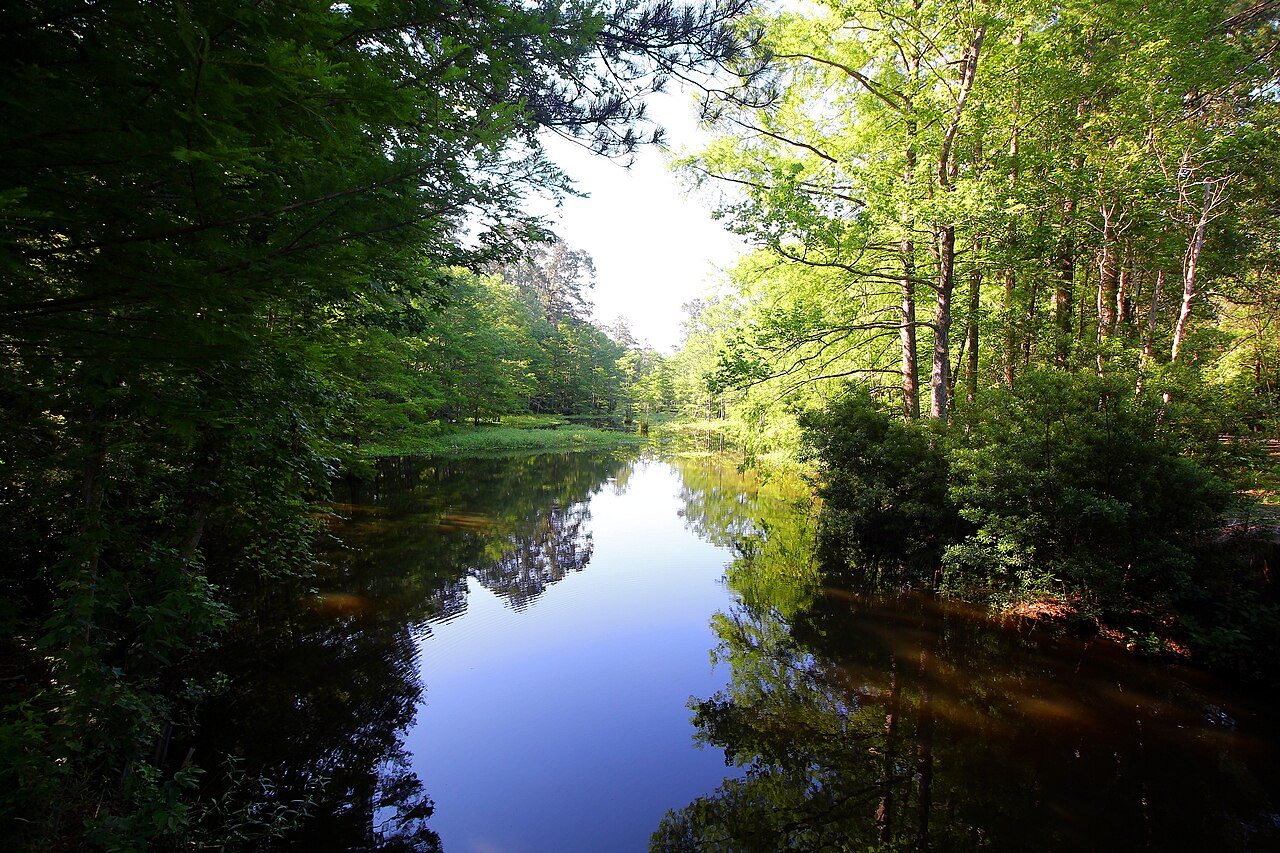
Best for: Water-based camping, fishing, kayaking, wildlife
Tucked near the Texas-Louisiana border, Martin Dies Jr. State Park preserves 700 acres of land and water at the meeting point of the Neches River and Town Bluff Reservoir (also called B.A. Steinhagen Lake). It’s one of Southeast Texas’s quieter gems — less visited than the bigger state parks but loaded with character.
The park’s waterways are the main draw. Fishing, swimming, and kayaking are all popular here, and the bottomland hardwood forests surrounding the water are rich with wildlife. The park offers tent and RV camping with various site types.
The location near Jasper also puts you within easy reach of Sam Rayburn Reservoir to the north and the Big Thicket to the south — making it a great base camp for a longer Southeast Texas adventure.
Best Time to Camp in Southeast Texas
Southeast Texas has a mild enough climate that camping is possible year-round, but some seasons are better than others.
Spring (March–May) is the best overall season — temperatures are comfortable, wildflowers are blooming, and migratory birds are passing through, making it exceptional for birdwatching.
Fall (September–November) is a close second. Cooler temperatures return, crowds thin out, and the pine forests start to show color.
Summer (June–August) is hot and humid in SETX — not impossible to camp, but come prepared with fans, extra water, and a site near water. Early mornings and evenings are the most comfortable times of day.
Winter (December–February) brings mild weather by most standards, and campgrounds are often uncrowded. Some facilities may have limited hours, so call ahead.
Tips for Camping in Southeast Texas
- Book early for state parks. Village Creek, Lake Livingston, and Sea Rim fill up fast on holiday weekends. Reserve 2–3 months ahead if you can.
- Pack serious bug spray. Mosquitoes in SETX are no joke, especially near water and in summer. DEET-based repellent is your best friend.
- Respect alligator warnings. Alligators are common near waterways throughout the region. Keep food secured, keep kids and pets close to camp, and never feed or approach wildlife.
- Download offline maps. Cell service can be spotty inside the Big Thicket and around Sam Rayburn. Download your trail maps before you leave home.
- Check for burn bans. During dry periods, campfire restrictions may be in effect. Always check current conditions with the park before planning a campfire.
Ready to Plan Your Southeast Texas Camping Trip?
Whether you’re craving a peaceful float down Village Creek, a free night on the beach at Bolivar, or a bass fishing trip on Sam Rayburn, Southeast Texas has a campground for you.
Download our free Family Camping Checklist to make sure you don’t forget a thing on your next trip — it covers everything from shelter and sleeping gear to cooking supplies and kid activities.
Have a favorite Southeast Texas campground we didn’t mention? Drop it in the comments below — we’d love to hear about your favorite spots!